As computing power continues to increase across data centers, artificial intelligence platforms, industrial equipment, and advanced electronics, thermal management has become a critical factor in maintaining system performance. Traditional air-based methods often struggle to keep pace with rising heat loads, leading organizations to adopt liquid-based solutions that offer greater efficiency and reliability. Among these innovations, custom coldplate loop have emerged as a highly effective approach for managing heat at the source. By delivering targeted cooling directly to high-heat components, these systems help improve energy efficiency, support higher processing densities, and extend equipment lifespan.
Table of Contents
- Understanding Coldplate Loops
- Why Custom Coldplate Loops Matter?
- The Importance of Coldplate Loop Assembly Quality
- The Role of Copper Cold Plate Design in Thermal Performance
- Custom Cold Plate Design Services and System Optimization
- Future Trends in High-Efficiency Thermal Systems
- FAQs
- What makes custom coldplate loop different from standard cooling solutions?
- When should an organization consider a liquid cooling loop instead of traditional air cooling?
- Why is copper commonly used in cold plate manufacturing?
- How does a coldplate loop assembly affect system reliability?
- What factors are evaluated during custom cold plate design services?
- FAQs
- Conclusion
Understanding Coldplate Loops
A coldplate loop is a thermal management solution that transfers heat away from critical components through a circulating coolant. Instead of relying solely on ambient airflow, the system uses a specially engineered plate attached to heat-generating devices. Coldplate loops are widely used in applications where thermal demands exceed the capabilities of conventional cooling methods. Their ability to remove heat efficiently helps maintain optimal operating temperatures, making them an ideal solution for environments that require consistent performance, enhanced reliability, and long-term operational stability.
How a Liquid Cooling Loop Works
A liquid cooling loop typically consists of a cold plate, a pump, tubing, a heat exchanger, a reservoir, and coolant. The coolant circulates through the system, collecting heat from components and transporting it to a location where it can be released safely. This direct heat-transfer process reduces temperature fluctuations and improves overall thermal control compared to traditional cooling strategies.
Why Custom Coldplate Loops Matter?
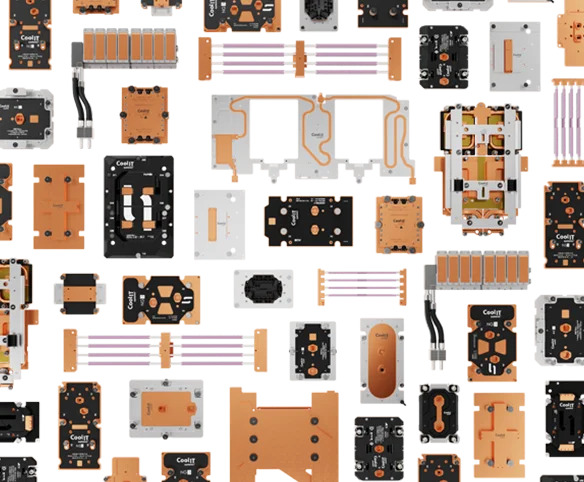
Not all thermal requirements are the same. Different systems generate varying heat loads, have unique space constraints, and require specific performance targets. This is where custom coldplate loop provides a significant advantage. By tailoring the cooling architecture to the application, engineers can optimize coolant flow paths, material selection, and thermal contact surfaces. The result is a solution designed to address the precise cooling needs of a specific environment.
Improved Heat Transfer Efficiency
Customized designs enable more effective heat removal from critical components. Engineers can optimize channel geometry and coolant distribution to improve thermal performance while minimizing pressure losses. This targeted approach helps maintain stable operating temperatures even during demanding workloads.
Enhanced System Reliability
Excessive heat can accelerate component degradation and increase the likelihood of unexpected downtime. A properly designed cooling solution reduces thermal stress, helping equipment operate more consistently over extended periods. Organizations across Canada that invest in advanced thermal management often benefit from improved uptime, enhanced operational efficiency, and reduced maintenance requirements.
The Importance of Coldplate Loop Assembly Quality
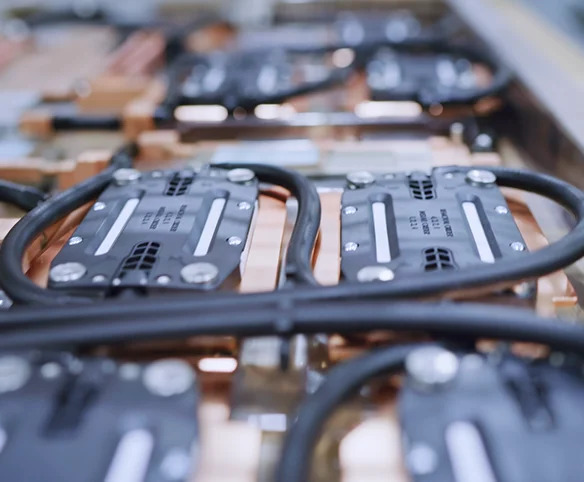
Even the most advanced design can under perform if the assembly process is not executed correctly. A well-engineered coldplate loop assembly ensures proper coolant flow, leak prevention, and consistent thermal contact between cooling surfaces and heat-generating components. Attention to manufacturing quality, material compatibility, and testing procedures contributes to long-term system performance and operational reliability.
Precision Manufacturing Considerations
Key factors that influence assembly quality include:
- Material selection
- Channel design accuracy
- Surface flatness
- Seal integrity
- Flow distribution optimization
Careful attention to these details helps maximize thermal efficiency while supporting long-term durability.
Application-Specific Engineering Benefits
Customized thermal solutions can provide:
- Better heat removal performance
- Reduced energy consumption
- Improved equipment longevity
- Greater scalability
- Enhanced operational stability
These advantages make tailored cooling strategies particularly valuable in high-density computing and industrial environments.
The Role of Copper Cold Plate Design in Thermal Performance
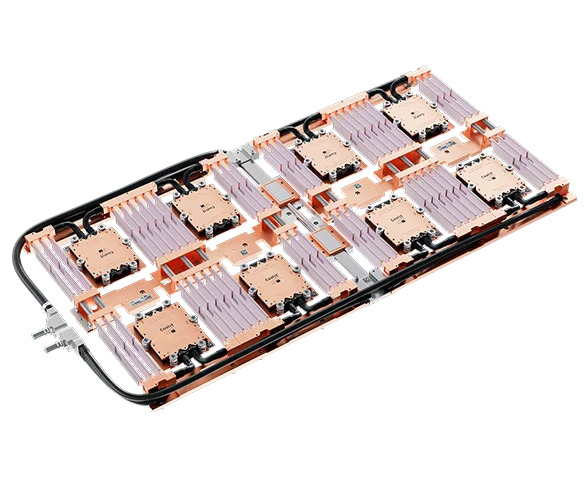
Material selection plays an important role in cooling effectiveness. Copper cold plate design remains a preferred choice for many high-performance applications because copper offers excellent thermal conductivity. Its ability to transfer heat rapidly enables more efficient thermal management and helps maintain stable temperatures across critical components.
Advantages of Copper-Based Cooling Solutions
Copper cold plates offer several benefits:
- Excellent heat transfer capability
- High durability
- Consistent thermal performance
- Compatibility with advanced cooling architectures
When combined with optimized coolant flow paths, copper-based designs can significantly improve overall thermal efficiency.
Custom Cold Plate Design Services and System Optimization
Organizations with specialized cooling requirements often rely on custom cold plate design services to develop solutions that align with operational goals. These services typically involve thermal analysis, flow modeling, prototyping, and performance validation. Rather than adapting a standard product to a complex application, custom engineering allows every aspect of the cooling system to be optimized from the start.
Future Trends in High-Efficiency Thermal Systems
As processing demands continue to grow, thermal management technologies will become increasingly sophisticated. Future cooling solutions are expected to incorporate advanced materials, enhanced flow optimization techniques, and intelligent monitoring capabilities. Custom-engineered cooling architectures will continue to play a vital role in helping organizations achieve performance goals while reducing energy consumption and operational costs.
FAQs
What makes custom coldplate loop different from standard cooling solutions?
Custom coldplate loops are engineered to match the specific thermal, mechanical, and operational requirements of an application. Unlike standardized systems, they can be optimized for component placement, heat-load distribution, coolant-flow characteristics, and available installation space.
When should an organization consider a liquid cooling loop instead of traditional air cooling?
A liquid cooling loop becomes a strong option when heat densities increase beyond the practical limits of air-based methods. High-performance computing environments, artificial intelligence infrastructure, industrial equipment, and other heat-intensive applications.
Why is copper commonly used in cold plate manufacturing?
Copper is valued for its exceptional thermal conductivity, which allows heat to transfer quickly from electronic components to the cooling fluid. This characteristic helps maintain lower operating temperatures and improves overall cooling effectiveness.
How does a coldplate loop assembly affect system reliability?
The quality of a coldplate loop assembly directly impacts coolant flow, leak prevention, and heat transfer efficiency. Proper assembly ensures consistent thermal contact between components and cooling surfaces while reducing the risk of operational issues.
What factors are evaluated during custom cold plate design services?
Engineering teams typically assess thermal loads, fluid flow requirements, component layouts, material compatibility, and long-term performance objectives. Advanced modeling and testing processes help validate the design before deployment, ensuring the cooling solution aligns with the application’s operational demands and efficiency goals.
Conclusion
High-efficiency thermal systems depend on effective heat removal to maintain performance, reliability, and energy efficiency. Coldplate loops provide a direct and highly effective method for managing thermal loads, while custom coldplate loops enable organizations to address unique cooling challenges with precision. For organizations seeking advanced thermal management expertise, CoolIT Systems delivers innovative cooling technologies designed to meet complex performance requirements. Connect with our experienced specialists to discover the right approach for your thermal management goals.