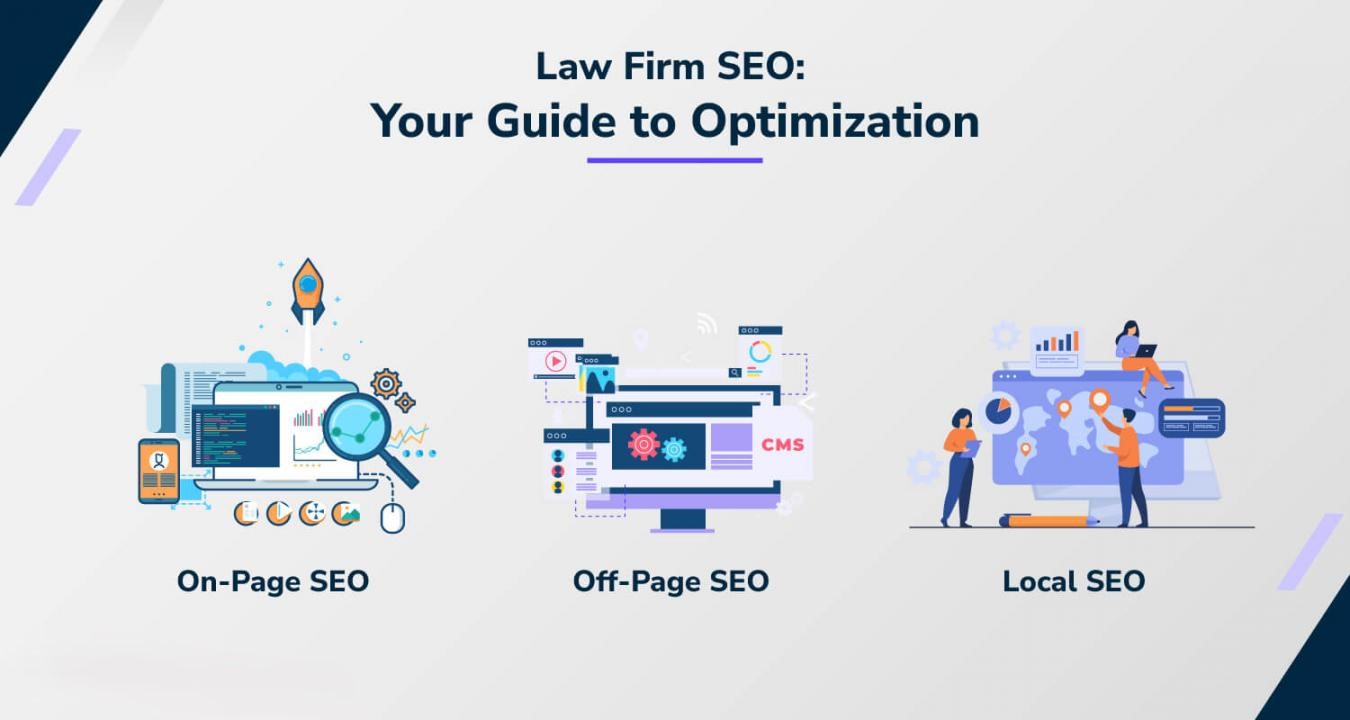
In today’s digital landscape, businesses are increasingly aware of the significance of local search engine optimization (SEO) in reaching their target audiences. For companies looking to enhance visibility in local searches, SEO outsourcing is a strategic approach. By collaborating with an SEO outsourcing agency in India, businesses can harness the expertise of an SEO expert in India to strengthen their online presence. However, a crucial question remains: how can you effectively measure the return on investment (ROI) from these services? In this article, we will explore key metrics and strategies for assessing the impact of local SEO outsourcing.
Table of Contents
What is Local SEO and Why Does It Matter?
Local SEO focuses on optimizing a business’s online presence to attract customers from relevant local searches. This encompasses improving visibility in local listings, managing Google My Business (GMB) profiles, and building local citations. For businesses with a physical presence or those that cater to a specific geographic area, local SEO is not just beneficial—it’s essential.
Benefits of Local SEO Outsourcing
- Access to Expertise: Partnering with a local SEO outsourcing agency allows you to tap into a pool of experienced professionals. SEO experts in India are well-versed in the latest trends and best practices tailored for local markets.
- Cost-Effectiveness: Outsourcing is often more budget-friendly than hiring an in-house team, making it an attractive option for small and medium-sized businesses.
- Focus on Core Operations: By outsourcing local SEO, businesses can concentrate on their primary operations while experts manage the complexities of SEO.
- Customized Strategies: An SEO expert in India can develop tailored strategies that align with your specific business goals and local market dynamics.

Key Metrics for Measuring ROI from Local SEO Outsourcing
To effectively assess the ROI from your investment in local SEO, you should track several key metrics that indicate the effectiveness of your campaigns. Here are some critical metrics to consider:
1. Website Traffic
Monitoring changes in website traffic is one of the first steps in evaluating local SEO ROI. Use tools like Google Analytics to track:
- Organic Traffic: Measure the number of visitors coming from organic search results.
- Local Traffic: Focus on traffic from specific geographic locations relevant to your business.
2. Keyword Rankings
Tracking keyword rankings is crucial for understanding your local SEO performance. By analyzing how well your business ranks for targeted local keywords, you can gauge the effectiveness of your strategies.
- SEO Tools: Utilize tools like SEMrush or Ahrefs to monitor keyword rankings over time.
- Local Focus: Concentrate on keywords that include local modifiers (e.g., “best coffee in [City Name]”).
3. Google My Business Insights
Your Google My Business profile is a vital component of local SEO. Insights from GMB can provide valuable data on:
- Search Impressions: How often your business appears in local search results.
- User Actions: The number of clicks for directions, calls, and visits to your website.
4. Conversion Rates
Ultimately, the goal of local SEO is to drive conversions. Focus on metrics such as:
- Lead Generation: Track the number of inquiries or leads generated through local searches.
- Sales Conversions: Evaluate the sales attributed to customers who discovered your business via local searches.
5. Customer Engagement
Engagement metrics can offer insights into how well your local SEO efforts resonate with your audience. Key metrics include:
- Click-Through Rate (CTR): The percentage of users who click on your listing when it appears in search results.
- Reviews and Ratings: Monitor changes in customer reviews and overall ratings, as these can significantly influence local search rankings.
6. Return on Ad Spend (ROAS)
If you are running local PPC campaigns alongside your SEO efforts, calculating the ROAS can help assess the effectiveness of your overall strategy. This metric measures how much revenue you generate for each dollar spent on advertising.

Best Practices for Measuring Local SEO ROI
- Set Clear Objectives: Define what success means for your local SEO initiatives. This could involve increasing website traffic, generating more leads, or boosting sales.
- Regularly Monitor Metrics: Conduct regular reviews of your SEO performance metrics to stay informed about changes and trends.
- Utilize Multiple Tools: Employ various analytics and reporting tools to obtain a comprehensive view of your local SEO performance.
- Collaborate with Your Agency: Maintain open lines of communication with your local SEO outsourcing agency in India. They can provide insights and reports highlighting successes and areas for improvement.
FAQs
What is Local SEO Outsourcing?
Local SEO outsourcing involves hiring external agencies or professionals to manage and implement local SEO strategies for a business.
Why should I consider a local SEO outsourcing agency in India?
Agencies in India often provide cost-effective solutions with extensive expertise in local SEO practices tailored to specific markets.
How long does it take to see results from Local SEO Outsourcing?
While results may vary, businesses typically start seeing improvements in traffic and rankings within 3 to 6 months after implementing local SEO strategies.
Can I track my Local SEO performance independently?
Yes, you can track your local SEO performance using tools like Google Analytics, SEMrush, and Google My Business Insights.
What types of businesses benefit most from Local SEO?
Businesses with a physical location or those serving specific geographic areas—like restaurants, retail stores, and service providers—benefit greatly from local SEO.
Conclusion
Investing in Local SEO Outsourcing can deliver significant advantages for your business. By partnering with a reputable local SEO outsourcing agency in India, you can enhance your online presence and attract more local customers. Measuring the ROI of these efforts is vital for understanding their impact. By tracking key metrics and implementing best practices, you can ensure your local SEO strategies effectively contribute to your business goals.