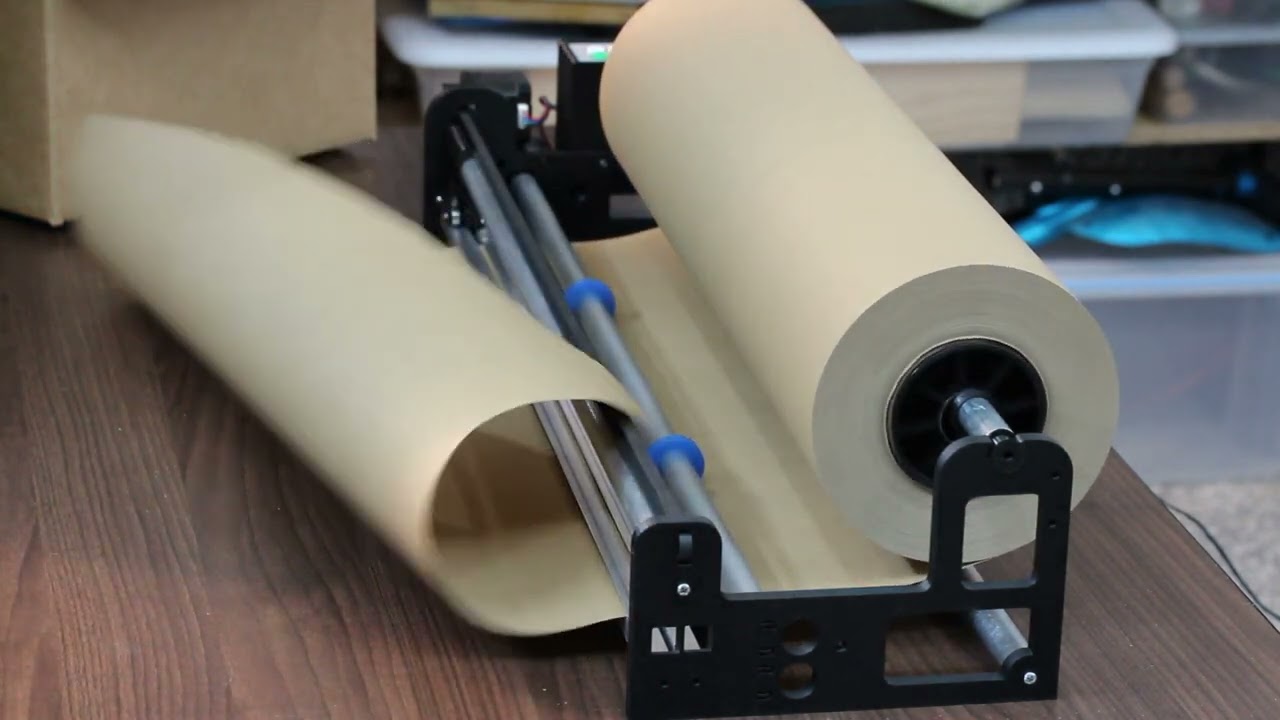
Roll cutting machines are essential tools in various industries, especially those that handle materials in large rolls such as paper, textiles, film, and plastic. These machines are designed to cut rolls into smaller pieces with high precision and efficiency. From packaging and textile industries to the printing sector, roll cutting machines improve workflow, reduce material waste, and provide consistent, clean cuts.
In this article, we’ll delve into the intricacies of roll cutting machines, their types, working mechanisms, and the various applications they serve. We’ll also guide you through selecting the right machine for your business needs, and answer some of the most frequently asked questions (FAQs).
- What is a Roll Cutting Machine?
- Key Features of Roll Cutting Machines
- Precision Cutting
- Adjustable Blade
- Automation Capabilities
- Material Versatility
- User-Friendly Interface
- Introduction to Roll-Cutting Machines
- Types of Roll Cutting Machines
- Components of a Roll Cutting Machine
- Working Principle of Roll Cutting Machines
- Operational Steps in Roll Cutting
- Advantages of Using Roll-Cutting Machines
- Applications of Roll-Cutting Machines
- Maintenance and Troubleshooting
- Safety Considerations
- Technological Advancements in Roll Cutting
- Environmental Considerations
- Future Trends in Roll Cutting Technology
- FAQs
What is a Roll Cutting Machine?
A roll cutting machine is an industrial tool used to cut materials that come in roll form into specific lengths or widths. This machine is vital in various industries, including textiles, packaging, and paper manufacturing. These machines utilize sharp blades and adjustable settings to ensure accurate and efficient cutting of materials with minimal waste.
Key Features of Roll Cutting Machines
Precision Cutting
Roll cutting machines are renowned for their ability to deliver precise cuts, which is essential for industries requiring exact measurements. This precision minimizes material waste, ensuring that manufacturers can maximize their resources. With advanced technology, these machines maintain tight tolerances, leading to consistent quality in the final product. As a result, businesses can enhance their reputation for reliability and craftsmanship.
Adjustable Blade
A key feature of most roll cutting machines is the ability to adjust the blades according to the thickness and type of material being processed. This adaptability allows users to handle a variety of materials, from thin films to thicker substrates, without compromising cutting quality. By tailoring the blade settings, operators can achieve optimal performance, ensuring clean cuts and reducing the risk of material damage. This versatility is particularly beneficial for companies that work with diverse materials in their production processes.
Automation Capabilities
Advanced roll cutting machines often come equipped with automation features designed to streamline production processes. These capabilities can significantly boost productivity by minimizing the need for manual intervention, allowing operators to focus on other essential tasks. Automated systems can enhance accuracy and speed, resulting in faster turnaround times and improved efficiency. By integrating automation, businesses can stay competitive in a fast-paced market and meet increasing demand without sacrificing quality.
Material Versatility
Roll cutting machines are highly versatile, capable of handling a wide range of materials such as fabric, plastic, vinyl, film, and paper. This broad compatibility makes them ideal for various industries, including textiles, packaging, and manufacturing. The ability to cut multiple materials means that businesses can diversify their offerings and cater to different market needs. This versatility also simplifies inventory management, as fewer specialized machines are required for different types of materials.
User-Friendly Interface
Modern roll cutting machines often feature digital controls and user-friendly interfaces, making them easy to operate even for novice users. Intuitive designs facilitate quick adjustments and settings, allowing operators to focus on the cutting process rather than struggling with complex controls. Enhanced interfaces may include touchscreen displays, preset configurations, and real-time monitoring, providing valuable feedback during operation. Such features contribute to overall efficiency and can lead to reduced training time for new employees.
Introduction to Roll-Cutting Machines
Roll cutting machines are specialized devices designed to cut large rolls of material into smaller, manageable pieces. They are widely used in various industries, including textiles, packaging, and paper manufacturing. By automating the cutting process, these machines increase efficiency and ensure consistent quality in the finished products.
Types of Roll Cutting Machines
There are several types of roll cutting machines, each suited for specific applications. Common types include rotary cutters, guillotine cutters, and slitting machines, which differ in their cutting mechanisms and capabilities. Understanding the characteristics of each type helps manufacturers select the right machine for their production needs.
Components of a Roll Cutting Machine
A roll cutting machine consists of several key components that work together to achieve accurate cuts. These include sharp blades for cutting, rollers for feeding the material, and control panels for setting operational parameters. Each component plays a crucial role in ensuring the machine operates smoothly and efficiently.
Working Principle of Roll Cutting Machines
The basic working principle of a roll cutting machine involves feeding the material through the machine, where it is cut into specified widths or lengths. As the material passes through the blades, they slice it while being held taut by rollers. This ensures precise cuts and minimal waste, making the process efficient and cost-effective.
Operational Steps in Roll Cutting
Operating a roll cutting machine involves several steps, starting with loading the material onto the machine. The operator then adjusts settings such as cutting speed and dimensions to match the desired specifications. Once the parameters are set, the machine is activated, and the cutting process begins.
Advantages of Using Roll-Cutting Machines
Roll cutting machines offer numerous advantages, including increased speed and productivity compared to manual cutting methods. They provide uniform cuts, reducing variability and waste in production. This efficiency not only saves time but also minimizes costs for manufacturers.
Applications of Roll-Cutting Machines
Roll cutting machines are utilized in various industries for different materials, such as textiles, films, and papers. In textiles, they help cut fabric into patterns for garments, while in packaging, they cut films for product wrapping. These machines are essential for producing consistent and high-quality materials across various sectors.
Maintenance and Troubleshooting
Regular maintenance of roll cutting machines is crucial for ensuring optimal performance and longevity. Operators should conduct routine checks on components like blades and rollers, replacing them as needed. In case of issues, troubleshooting can often resolve problems quickly, minimizing downtime in production.
Safety Considerations
Safety is paramount when operating roll cutting machines, as they involve sharp blades and moving parts. Operators should be trained on proper handling techniques and the use of safety gear, such as gloves and goggles. Implementing safety protocols can prevent accidents and ensure a secure working environment.
Technological Advancements in Roll Cutting
Technological advancements have significantly improved the efficiency and precision of roll cutting machines. Innovations such as automation and digital control systems allow for faster setup times and greater accuracy. These advancements help manufacturers adapt to changing market demands and improve overall productivity.
Environmental Considerations
Roll cutting machines can contribute to sustainability efforts by reducing waste and enabling the recycling of materials. Manufacturers are increasingly seeking eco-friendly materials and processes to minimize their environmental impact. Implementing waste reduction strategies can lead to more sustainable production practices.
Future Trends in Roll Cutting Technology
The future of roll cutting technology is poised for exciting developments, particularly with the integration of AI and robotics. These advancements can enhance automation, improve precision, and streamline production processes. As industries continue to evolve, roll cutting machines will likely adapt to meet new challenges and opportunities.
FAQs
What types of materials can a roll cutting machine cut?
A roll cutting machine can cut a wide range of materials, including paper, plastic, textiles, rubber, vinyl, and aluminum foil.
Are roll-cutting machines easy to maintain?
Yes, most modern roll cutting machines are designed for easy maintenance. Regular cleaning of the blades and lubricating moving parts can keep them in good working condition.
How do I choose the right blade for my roll cutting machine?
Choosing the right blade depends on the material you’re cutting. Thicker materials may require stronger, sharper blades, while thinner materials can be cut with standard blades.
Can a roll-cutting machine be used for custom shapes?
Yes, flatbed roll cutting machines can be used to cut materials into custom shapes, making them ideal for tailored packaging and textile designs.
How long does a roll-cutting machine last?
With proper maintenance, a roll cutting machine can last for several years. The longevity depends on the frequency of use and how well the machine is maintained.
Conclusion
Roll cutting machines are indispensable in industries that require precise material cutting from large rolls. Their ability to handle various materials, from textiles to films, makes them versatile and efficient tools for increasing productivity. By automating the cutting process, businesses can minimize waste, improve accuracy, and reduce labor costs. When selecting the right roll cutting machine, consider your material type, production speed, and budget to ensure optimal performance for your operations. With the right machine, you can significantly streamline your processes and boost your bottom line.