Table of Contents
- Why Replacing Missing Teeth Matters for Oral Health
- How Dental Implants Help Maintain Jawbone Health
- Improving Chewing Function and Everyday Comfort
- Protecting Nearby Natural Teeth
- Who Can Benefit From Dental Implant Treatment?
- Can Dental Implants Support Long-Term Dental Health?
- Choosing the Right Dental Implant Restoration
- How to Maintain Dental Implants for Years
- Conclusion
Losing a tooth can affect more than your smile. It may change how you chew, speak, and maintain your oral hygiene. Over time, missing teeth can also affect nearby teeth and the jawbone. While several tooth replacement treatments are available, choosing the right option is important for protecting long-term dental health.
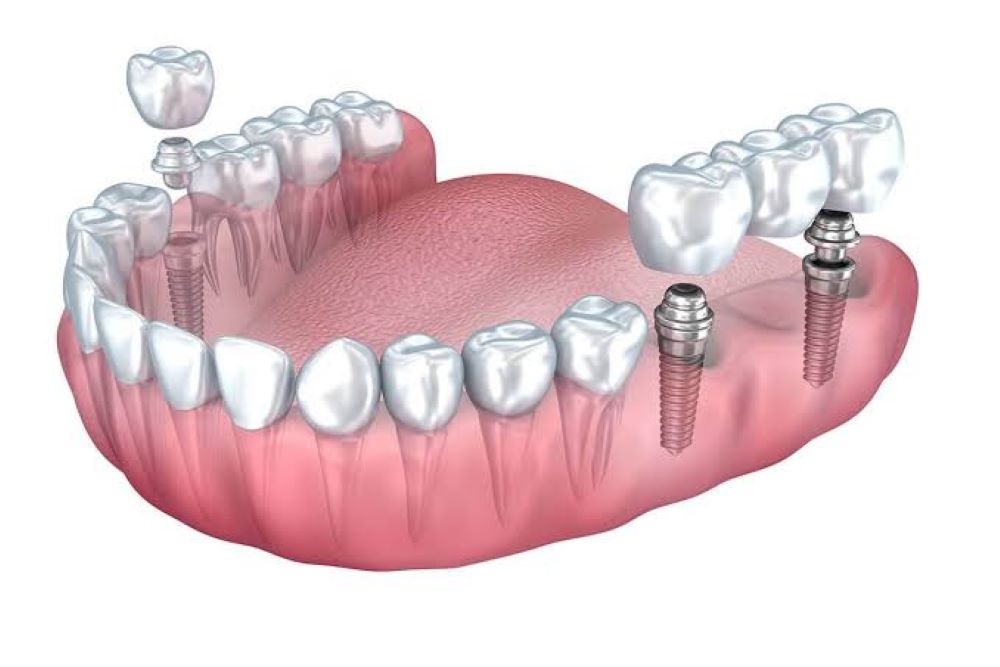
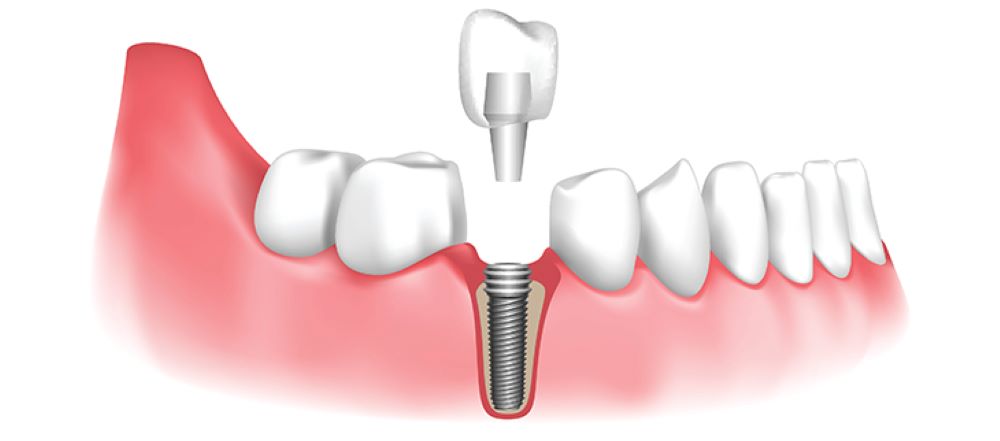
Dental implants offer a reliable way to replace missing teeth by providing a stable foundation for artificial restorations. Unlike removable dentures, implants are placed into the jawbone, where they function as artificial tooth roots. They can support individual crowns, bridges, or full-arch restorations, depending on a patient’s needs.
For individuals considering dental implants in Agoura Hills, understanding their long-term oral health benefits can make treatment decisions easier. Implant-supported restorations may improve chewing function, reduce certain problems associated with missing teeth, and support jawbone health. However, successful treatment requires healthy supporting tissues, careful planning, and regular dental maintenance.
Why Replacing Missing Teeth Matters for Oral Health
A missing tooth creates an empty space that can affect surrounding dental structures. Depending on its location, neighboring teeth may gradually shift toward the gap. These changes can influence bite alignment and make certain areas more difficult to clean.
Tooth loss also reduces normal stimulation in the surrounding jawbone. Without appropriate replacement, bone in the affected area may gradually decrease in volume. This process can complicate future dental care treatment
and affect oral function.
Replacing missing teeth with appropriate restorative dentistry treatments can help restore function and address problems caused by tooth loss. The best solution depends on individual oral health, remaining teeth, and treatment goals.
How Dental Implants Help Maintain Jawbone Health
Natural tooth roots transfer chewing forces into the jawbone. When a tooth is lost, the bone in that area no longer receives the same stimulation, which can contribute to gradual bone resorption.
Dental implants are positioned within the jawbone and designed to integrate with the surrounding bone tissue. This process, called osseointegration, creates a stable connection that supports the replacement tooth.
By transferring functional forces to the bone, implants may help limit bone loss around the treated area. However, they cannot completely prevent all changes in jawbone structure. Patients with insufficient bone may require additional treatment before implant placement, making it important to discuss affordable solutions and personalized treatment options with their dentist.
“Dental implants do more than replace missing teeth. They can restore chewing function and support jawbone health. Long-term success depends on careful planning, healthy gums, and consistent daily care.“
Improving Chewing Function and Everyday Comfort
Missing teeth can make eating certain foods uncomfortable. Patients may avoid crunchy vegetables, meats, or other foods that require stronger chewing forces. This can affect meal choices and overall eating comfort.
Implant-supported teeth provide a stable replacement that may improve chewing efficiency. Because the restoration is secured to an implant, it generally moves less than a conventional removable denture.
Supporting a More Balanced Bite
When teeth are missing, remaining teeth may carry additional chewing pressure. A properly planned implant restoration can help distribute biting forces more evenly.
However, the final result depends on implant placement, restoration design, and existing bite conditions. Patients who have undergone tooth extraction may also require an evaluation of bone health and healing before implant placement. A dental examination helps determine which treatment will provide suitable functional support.
Protecting Nearby Natural Teeth
One important advantage of a single-tooth implant is that it can replace a missing tooth without requiring neighboring healthy teeth to be prepared for a traditional dental bridge.
Conventional bridges often depend on adjacent teeth for support. These teeth may need reshaping to accommodate the restoration.
An implant-supported crown stands independently, which can preserve more natural tooth structure in suitable cases. However, the choice between implants and bridges should consider bone health, neighboring teeth, treatment costs, and individual preferences.
Missing teeth affecting your comfort or oral health? Explore personalized dental implant solutions at Agoura Advanced Dentistry. Call (818) 874-3533 to schedule a consultation and discuss your treatment options.
Who Can Benefit From Dental Implant Treatment?
Dental implants may be suitable for adults who have lost one or more teeth and want a fixed tooth replacement option. However, not every patient qualifies immediately for implant surgery.
Important considerations include:
- Healthy gums and manageable periodontal conditions
- Sufficient jawbone volume to support the implant
- Medical conditions that may affect healing
- Consistent oral hygiene habits
- Willingness to attend follow-up appointments
Patients researching the best implant dentist near you should consider professional experience, diagnostic techniques, and individualized treatment planning.
At Agoura Advanced Dentistry, dental implant consultations can help patients understand available tooth replacement options and identify conditions that may require attention before treatment.
Can Dental Implants Support Long-Term Dental Health?
Implant restorations can support oral health when they are appropriately placed and maintained. They restore missing tooth function while helping patients maintain normal daily activities.
Maintaining Healthy Gums Around Implants
Although dental implants cannot develop cavities, the tissues surrounding them can become inflamed or infected.
Plaque buildup may contribute to peri-implant disease, which can damage supporting tissues and affect implant stability.
Patients should brush regularly, clean around their restorations, and attend professional dental examinations. Good hygiene is essential for maintaining healthy gums and protecting the supporting bone.
Understanding Implant Longevity
Dental implants can function for many years, but their lifespan varies. Medical conditions, smoking, gum disease, grinding habits, and oral hygiene can influence treatment outcomes.
The implant fixture may remain stable for decades, while attached crowns or bridges may require maintenance or replacement.
Choosing the Right Dental Implant Restoration
Different types of implant restorations serve different dental needs. A single implant crown may replace one missing tooth, while implant-supported bridges can restore several adjacent teeth.
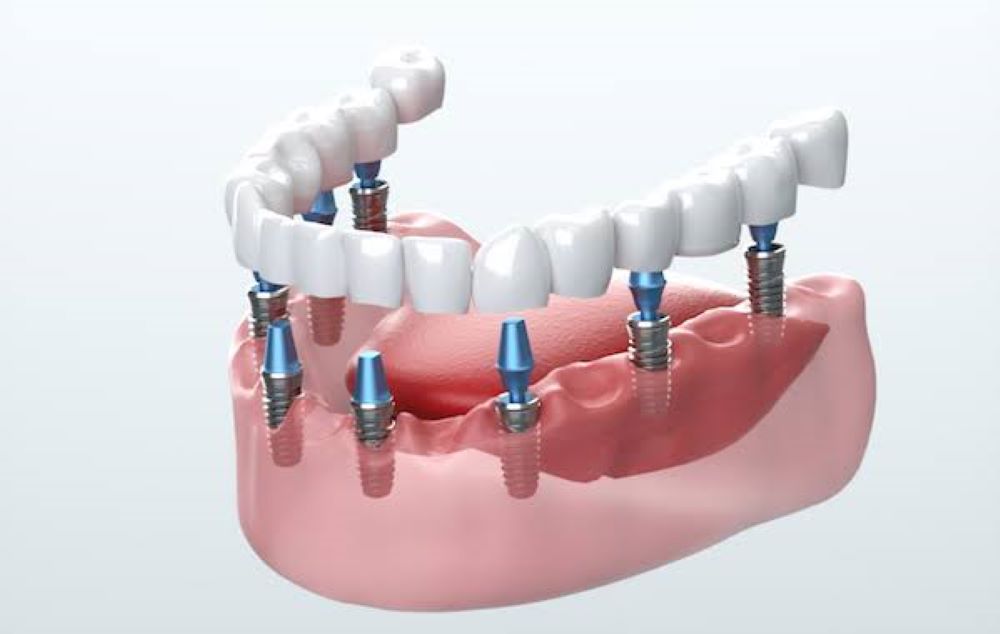
Patients with extensive tooth loss may benefit from full-arch options, including All-on-4 dental implants. These restorations use strategically positioned implants to support a complete arch of replacement teeth.
For patients comparing implants in Agoura Hills, the number of missing teeth, available bone, and overall oral health should guide treatment decisions.
At Agoura Advanced Dentistry, personalized treatment planning helps determine which implant-supported restoration may suit a patient’s functional needs and long-term dental goals.
How to Maintain Dental Implants for Years
Proper maintenance begins with daily oral hygiene and continues through regular professional care. Brushing twice daily and cleaning between teeth help reduce harmful plaque buildup.
Patients should also avoid using their teeth to open packaging or chew unusually hard objects. Individuals who grind their teeth may need additional protection recommended by their dentist.
Routine examinations allow dentists to monitor implant stability, gum health, and restoration condition. Patients should promptly report bleeding, swelling, discomfort, or movement around an implant.
Frequently Asked Questions
Can dental implants help prevent jawbone loss?
Dental implants may help limit bone loss by transferring chewing forces into the surrounding jawbone. However, they cannot guarantee complete prevention of bone changes.
Do dental implants protect neighboring teeth?
A single implant can replace a missing tooth without requiring the same preparation of neighboring healthy teeth that a traditional bridge may need.
How long can dental implants last?
Implants can last for many years with appropriate care. Their longevity depends on gum health, bone support, oral hygiene, and individual medical factors.
Can gum disease affect dental implants?
Yes. Inflammation and infection around implants can damage supporting tissues. Good oral hygiene and regular professional care are important.
Are dental implants suitable for older adults?
Age alone does not determine implant eligibility. Overall health, jawbone condition, medications, and oral hygiene are more important considerations.
Conclusion
Dental implants offer more than cosmetic improvement. They can help restore chewing function, support jawbone health, and replace missing teeth without relying on adjacent healthy teeth for support in suitable cases.
However, long-term success depends on careful treatment planning, healthy supporting tissues, and consistent maintenance. Understanding the benefits and responsibilities of implant care helps patients make informed decisions about tooth replacement.